
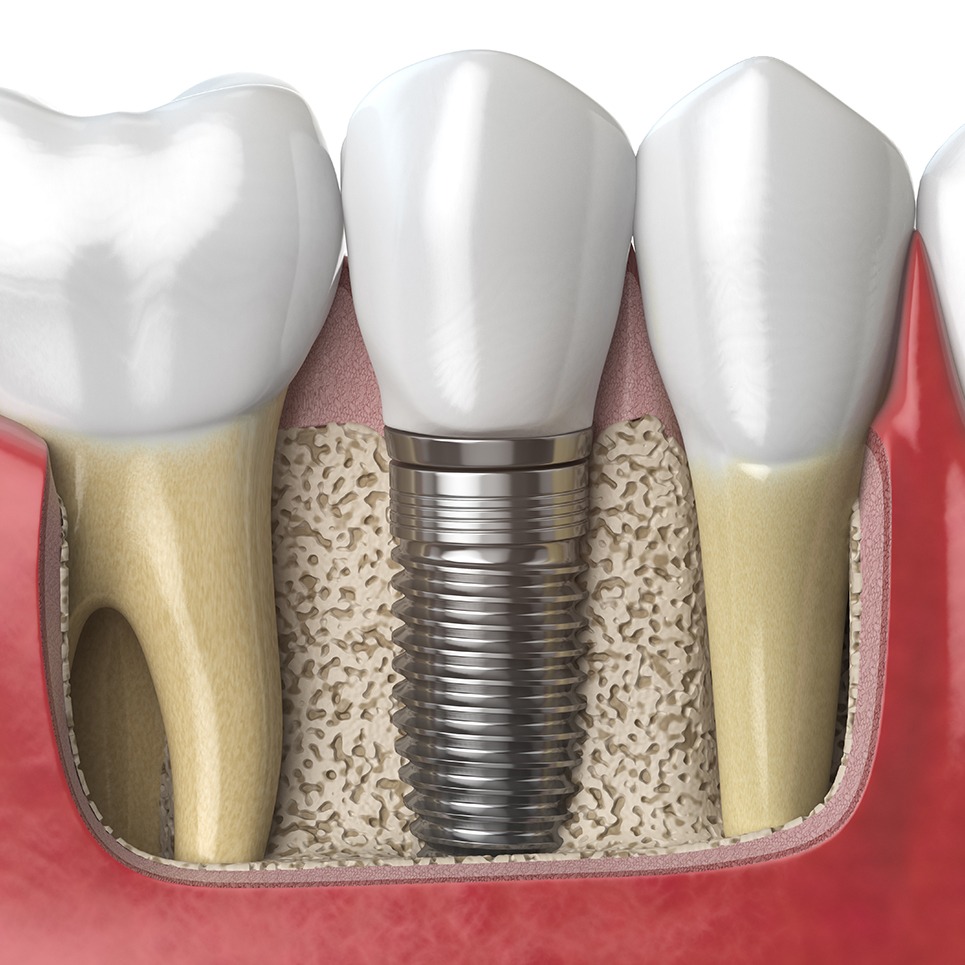
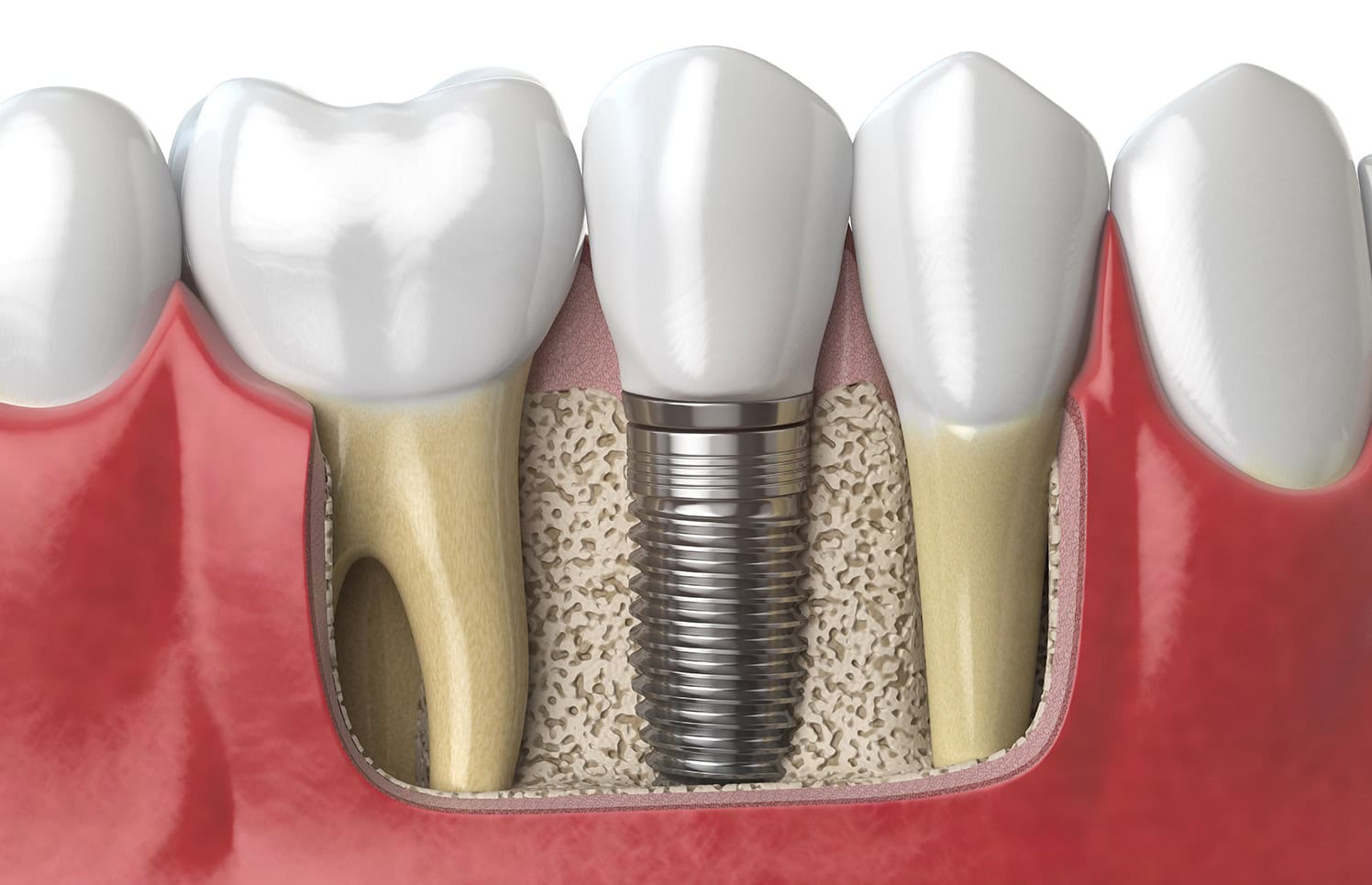
A sinus lift is performed when there is insufficient bone in the upper jaw. Without enough bone substance, a secure dental implant cannot be placed. The procedure enables targeted bone grafting below the maxillary sinus. This creates a stable base for implants. The sinus lift is therefore an important preparation for more complex cases. The procedure differs depending on the chosen method. When performed professionally, a sinus lift supports the long-term success of the implant. This article explains the basics, prerequisites, and techniques of the sinus lift. Additionally, it explains the role that bone grafting and gum grafting play in successful treatment.
Sinus Lift – Basics and Goals of Bone Grafting
A sinus lift is a procedure for building up the jawbone in the upper jaw. The goal is to create a stable bone structure. This is required to be able to insert a dental implant securely. The term “sinus lift” is derived from the lifting of the maxillary sinus mucosa (sinus membrane). The procedure is used exclusively in the area of the upper jaw.
The cause of missing bone is often the loss of a tooth. Without load, the bone degrades over time. Inflammation or a congenital low bone height can also be reasons. Bone grafting restores or strengthens the height of the jawbone.
In contrast to other bone grafting procedures, the sinus lift specifically treats the area below the maxillary sinus. The membrane is carefully lifted without injuring it. Bone material is filled into the resulting cavity. This material can consist of the patient’s own bone or synthetic substances.
The result of the sinus lift is a densified bone structure. It forms the necessary foundation for the subsequent placement of an implant. Thus, the sinus lift improves the long-term stability of dental prostheses in the upper jaw.
When is a Sinus Lift Necessary?
A sinus lift is used when there is not enough bone in the upper jaw. If bone substance is missing, a dental implant cannot be placed stably. The most common cause is bone loss after tooth loss. This natural process begins just a few months after a tooth is extracted. Periodontitis or chronic inflammation can also increase bone loss.
To determine the need for a sinus lift, a precise diagnosis is carried out. This includes X-rays and often three-dimensional imaging. In particular, the so-called DVT (Digital Volume Tomography) enables a precise assessment of the available bone supply.
Typical prerequisites for a sinus lift are:
- Less than 5 millimeters of residual bone height in the posterior region
- Clearly visible bone loss in the area of the maxillary sinus
- Planned restoration with one or more dental implants in the upper jaw
Not every bone deficiency automatically requires a sinus lift. If sufficient bone is present, a conventional bone graft without lifting the sinus is sufficient. The exact position and depth of the deficit are decisive.
In some cases, bone loss is combined with a loss of soft tissue. In these cases, an additional gum graft may be required. This serves to restore the gum line and the aesthetic restoration.
Before the procedure, the treating specialist provides comprehensive information about the indication and the planned procedure. Possible alternatives are also discussed. The decision for a sinus lift is always made individually based on the initial situation.
Comparison of Methods – Internal and External Sinus Lift
There are two procedures for performing a sinus lift: the internal and the external sinus lift. Both methods pursue the same goal. They differ in the access route and the complexity of the treatment.
Internal Sinus Lift
The internal sinus lift is used when there is still a small amount of residual bone height. It is performed minimally invasively through the implant’s drill hole. The sinus membrane is carefully lifted through an opening in the bone. Bone material is then introduced. The treatment can usually be carried out at the same time as the placement of the implant.
Advantages of the internal sinus lift:
- Lower surgical effort
- Shorter healing time
- Fewer postoperative complaints
Limitations exist when the bone supply is very low. In such cases, internal access is not sufficient.
External Sinus Lift
The external sinus lift is used in cases of severe bone loss. Here, access is via a lateral window in the bone wall of the upper jaw. The sinus membrane is carefully lifted through this window. Bone material is then introduced into the resulting cavity. The window is closed and the mucosa is sutured.
Advantages of the external sinus lift:
- Applicable for severely reduced bone supply
- Larger amounts of bone possible
Disadvantages are the higher surgical effort and a longer healing phase. The implant is often only placed in a second session.
Comparison of Methods
The choice between internal and external sinus lift depends on the existing bone situation. In both cases, the goal is bone grafting for a stable dental implant. A comprehensive diagnosis determines the appropriate procedure.
Step-by-Step Sinus Lift Procedure
Before the sinus lift, local anesthesia or sedation is administered. The surgical procedure then begins.
- Creating Access
In the internal sinus lift, the implant’s drill hole is widened. In the external procedure, a lateral bone window is created. - Lifting the Sinus Membrane
The membrane is carefully detached from the bone and moved upwards. The membrane must not be injured during this process. - Introducing Bone Material
Bone material is filled into the resulting cavity. Often, the patient’s own bone is used. Alternatively, synthetic or animal substitute materials can be used. - Closing the Opening
In the internal procedure, the implant is placed in the same session. In the external procedure, the bone window is closed. The mucosa is sutured. - Healing Phase
The bone material is integrated into the jaw over the next few months. Only then, in some cases, is the implant placed.
A sinus lift requires precise execution. The goal is a gentle lifting of the membrane without damage. A severed membrane can delay or make bone grafting impossible. The choice of bone material depends on the individual situation. The graft serves exclusively to stabilize the implant area.
The entire procedure takes between 30 and 90 minutes, depending on the method.
Healing Process, Risks, and Aftercare
After a sinus lift, the healing phase begins. This usually lasts three to nine months. During this time, the bone material is stably incorporated into the jaw. The exact duration depends on the procedure and the chosen bone material.
Typical risks of a sinus lift include:
- Injury to the sinus membrane
- Inflammation in the surgical area
- Rejection of the bone material
- Swelling and bruising
Careful execution reduces these risks. If complications nevertheless occur, the graft may need to be repeated.
Aftercare is crucial for successful healing. The following points are important:
- Regular check-ups by the specialist
- Adherence to rest periods in the first few days
- Avoiding blowing your nose in the first few weeks
- Thorough but careful oral hygiene
Mild painkillers can be used to reduce pain. Antibiotic therapy may also be necessary to prevent infections.
Protecting the surgical area is particularly important. Pressure loads from chewing or blowing your nose must be avoided. Exercise should also be avoided in the first few weeks.
After healing is complete, the dental implant can be placed. The success of the bone graft is checked in advance by imaging.
Summary
A sinus lift is an important preparation for the placement of dental implants when bone substance is missing in the upper jaw. The bone structure is built up to create a stable foundation for implants. At mundum, we offer comprehensive consultation and diagnostics. With digital 3D images, we assess your individual initial situation exactly. Together, we decide whether a sinus lift is necessary.
We perform both internal and external sinus lifts in our practice. Both procedures are planned to be minimally invasive and patient-oriented. Our own master dental laboratory supports precise restoration after successful bone grafting. After the healing period, we place your dental implant securely and with long-term stability.
In addition to bone grafting, a gum graft can be useful in certain cases. This procedure is also part of our range of services. In this way, we ensure both functional and aesthetic restoration.
Our team accompanies you throughout the entire process – from the initial consultation to the implant restoration. In doing so, we take your personal wishes and medical requirements into account.
If you have any questions about sinus lifts or bone grafting, we would be happy to advise you in our practice in Cologne.
Frequently Asked Questions about Sinus Lifts
Bone grafting takes about three to nine months for complete healing.
Depending on the method, the implant is placed directly or after the healing phase.
The costs depend on the effort and material. They are calculated individually in advance.
In the event of membrane injuries, the bone graft must be interrupted or repeated.
Patients do not feel any pain during the procedure. Slight discomfort is possible after the operation.

Zahnarzt & Geschäftsführer
Praxisinhaber, behandelnder Zahnarzt und Implantologe bei mundum Zahnarztpraxis in Köln
Carsten Sonnenburg studierte von 2013 bis 2018 Zahnmedizin und erhielt im selben Jahr seine Approbation als Zahnarzt. Seine praktische Ausbildung vertiefte er von 2019 bis 2021 als Vorbereitungsassistent an der Poliklinik für Zahnerhaltung und Parodontologie der Universität Rostock, bevor er 2021 als Assistenzzahnarzt zu mundum wechselte. Zusätzlich war er 2019/2020 als Referent für die Zahnärztekammer Mecklenburg-Vorpommern tätig. Seine fachlichen Schwerpunkte liegen in der Zahnerhaltung, Implantologie und im ästhetischen Zahnersatz; 2018 schloss er das CEREC-3D-Curriculum für digitalen Zahnersatz an der Universitätsmedizin Rostock ab, 2024 folgte ein Curriculum Implantologie. Seit 2018 promoviert er berufsbegleitend. Heute leitet Carsten Sonnenburg die mundum Zahnarztpraxis am Zülpicher Platz in Köln als Zahnarzt und Geschäftsführer.
Doctolib | Jameda | TrustedDentist | Profil