
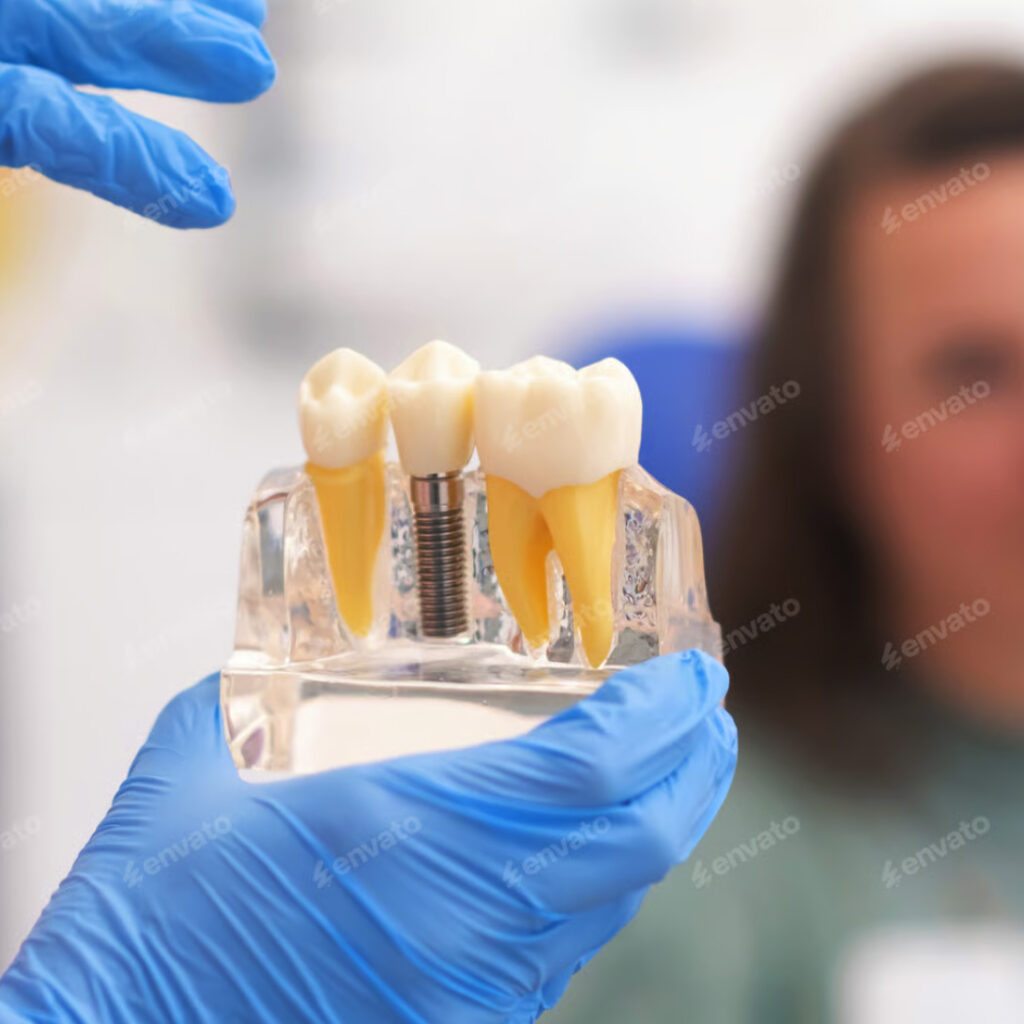
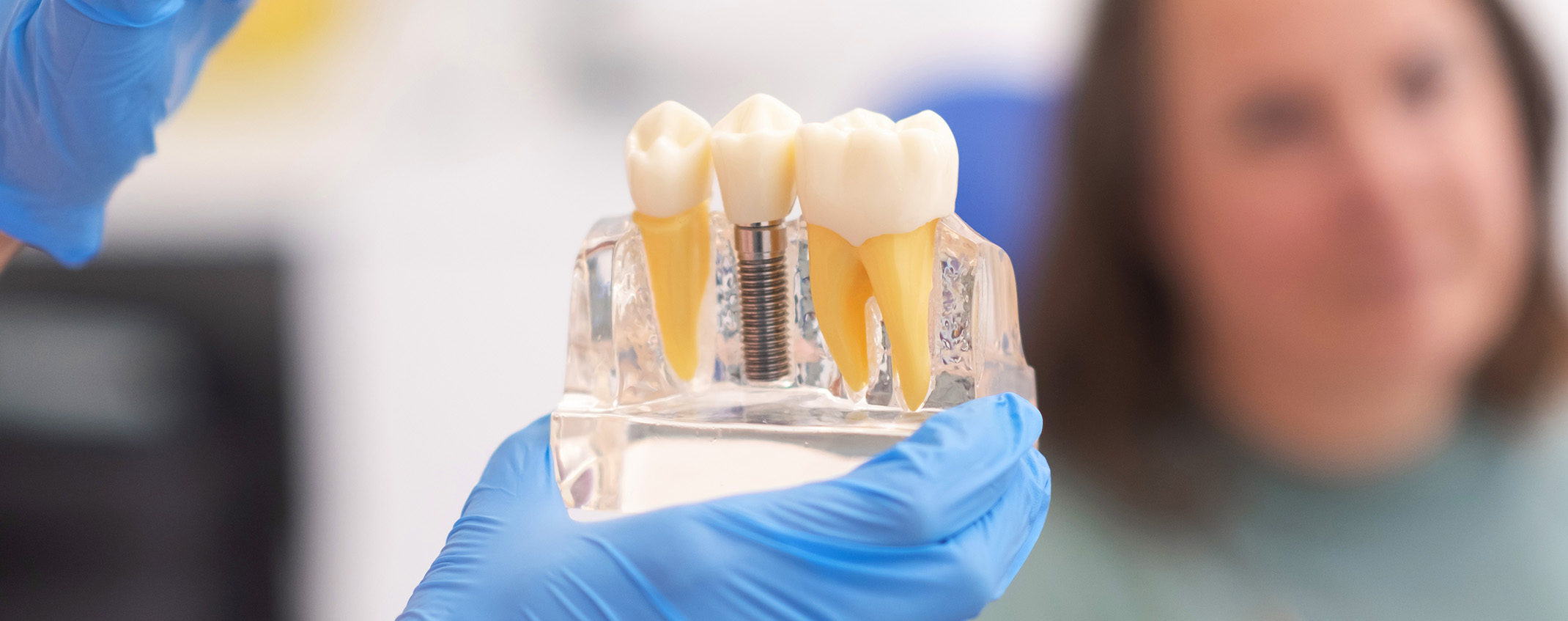
A dental implant permanently replaces a missing tooth and thus a missing tooth root or several missing tooth roots. The procedure takes place in several coordinated steps. Each phase of the treatment contributes to the long-term success.
The timeline for an implant treatment can take several weeks to months. The insertion of the implant is only one part of the entire process. Consultation, planning, and, if necessary, preparatory measures such as bone augmentation are carried out in advance. This is followed by the healing phase before the final dental prosthesis is attached. The structured procedure helps to minimize risks and achieve a stable result. This article provides a clear overview of all the steps of an implantation and creates transparency for interested parties.
Initial consultation and individual planning
The dental implant procedure begins with a consultation. The aim of the consultation is to provide information about the treatment and possible alternatives so that a decision can be made together. In this phase, the state of health is recorded. This includes questions about oral health, general illnesses, and medication. Digital X-rays and 3D scans provide important information about bone structure and nerve pathways. This data forms the basis for the precise positioning of the implant. Aesthetic wishes are also recorded and taken into account during planning.
A structured treatment plan is created. This includes the timeline, possible preparatory measures, and an initial estimate of the costs. The planning forms the basis for a safe procedure. Only through individual preparation can the implant heal optimally later and remain stable in the long term. Patients receive comprehensive information and recommendations on how to proceed in this phase. This creates a realistic idea of the entire implantation process.
Bone augmentation for insufficient jawbone
A stable dental implant requires sufficient bone substance. If the jawbone is not strong enough, bone augmentation is performed before insertion. Causes of bone loss are often long-standing tooth loss, inflammation, or pressure from poorly fitting dentures. Different procedures are used depending on the size and location of the defect.
Possible methods:
1.
Bone augmentation with the body’s own bone material
2.
Use of bone substitute material
3.
Sinus lift for insufficient jaw height in the upper jaw
These procedures are performed under local anesthesia. The healing time is usually between three and six months. The exact timeline is determined individually. The implant can only be placed once the bone has completely healed. A preparatory bone augmentation is crucial for the stability and longevity of the later implant. Without sufficient support, long-term success can be jeopardized.
Implantation – Inserting the dental implant
Implantation is a surgical procedure in which the implant is inserted into the jaw. Local anesthesia is performed before the start. The procedure can also be performed under sedation if desired. The planned area is opened, the implant bed is precisely prepared, and the implant is screwed into the bone. Digital planning and drilling templates ensure accuracy and safety.
Procedure of the intervention
- Disinfection and local anesthesia
- Exposure of the mucous membrane
- Preparation of the implant site in the bone
- Screwing in the implant
- Suturing the wound
The procedure usually takes between 30 and 60 minutes per implant. After insertion, the area is carefully closed. Healing begins immediately after the procedure.
In the first few days, there may be swelling or slight pain. Painkillers and cooling help to minimize discomfort.
The follow-up examination takes place a few days after the procedure. The healing process is checked. An integration period passes until the next treatment phase, in which the implant firmly fuses with the bone. This phase is discussed in the next chapter.
Healing phase – Anchoring in the jawbone
The healing phase begins after insertion. During this time, the dental implant firmly fuses with the jawbone. This biological process is called osseointegration. The body forms bone cells around the implant surface, creating a stable connection.
The duration of the healing varies. In the lower jaw, two to three months are often sufficient. In the upper jaw, it can take up to six months. Factors such as bone density, oral hygiene, and general health influence the process.
During this phase, the area should be subjected to as little stress as possible. Hard or sticky food should be avoided. Regular checks ensure treatment success. Pain or inflammation should be clarified by a doctor.
A well-healed implant is a prerequisite for a functional and long-lasting restoration. Only when osseointegration is complete does the next step follow. Then the implant is exposed and prepared for the final restoration.
Exposure & impression for the dental prosthesis
After successful healing, the dental implant is exposed. The mucous membrane over the implant is opened. This procedure is performed under local anesthesia and is usually painless. A so-called healing abutment is placed on the exposed implant. This shapes the gums for the later crown or bridge.
This is followed by the impression:
1.
Impression or digital scan of the implant position
2.
Recording the bite position and adjacent teeth
3.
Transmission of the data to the in-house dental laboratory
The exact impression is the basis for the later superstructure. The tooth shape, color, and position are taken into account. The production is individual, tailored to the respective oral situation.
After the appointment, the gums are spared again until the final restoration can be inserted. The next phase involves inserting the finished dental prosthesis onto the implant.
Final dental prosthesis – The superstructure
The dental prosthesis is fitted precisely onto the healed implant. Depending on the situation, it can be a crown, bridge, or prosthesis.
Before insertion, we check the fit and the seating of the superstructure. The chewing function is also checked. Small adjustments can be made directly.
Features of the superstructure:
Adapted to tooth color
and shape
Harmoniously integrated into the
row of teeth
Stable seating with all chewing
and speaking movements
After the attachment, the treatment process is almost complete. The new dental restoration can be loaded immediately. Instructions on care and handling are given directly afterwards.
The quality of the dental prosthesis significantly influences the function, aesthetics, and durability of the implant restoration. With regular care, the restoration can be maintained for many years.
Aftercare, control & secure long-term success
After completion of the restoration, the aftercare phase begins. It is crucial for the lifespan of a dental implant. Regular check-up appointments ensure that the implant and dental prosthesis remain intact.
Oral hygiene plays a central role. Implants require just as much care as natural teeth. Special interdental brushes and an antibacterial mouthwash are recommended.
Recommended measures for implant care:
- Two professional teeth cleanings per year
- Daily cleaning of the implant areas
- Avoidance of strong pressure or grinding
Inflammation or changes detected early can often be treated well. However, untreated inflammation can lead to the loss of the implant.
A structured aftercare plan is created individually. This includes time intervals for check-ups, cleanings, and, if necessary, X-rays.
Long-term success is not only achieved through the procedure itself, but also through consistent aftercare.
Summary
A dental implant functionally and visually replaces missing teeth permanently. The procedure comprises several phases: from consultation to aftercare. At mundum in Cologne, we accompany you through every step with experience and digital precision.
Our treatment begins with a thorough diagnosis and an individual therapy plan. For planning, we use digital X-ray technology and computer-aided implant systems. If bone augmentation is necessary, we perform it using minimally invasive techniques.
The implantation itself is performed under local anesthesia or sedation. Even in complex cases, we can realize precisely fitting restorations in a short time with our master laboratory. After the implant is inserted, we ensure a controlled healing phase. Then, with modern materials, we design your dental prosthesis, adapted to your natural dental aesthetics.
Regular aftercare appointments and professional teeth cleaning help to ensure long-term success.
If you are looking for a transparent, clearly structured process for implantation, mundum is your point of contact. Feel free to arrange a consultation – online or by telephone. We take time for your questions and accompany you step by step to more quality of life.
FAQ – Dental Implant Procedure at a Glance
Depending on the initial situation, the procedure takes between three and nine months. Bone augmentation extends the treatment time accordingly.
The procedure is performed under local anesthesia. Slight pain after the operation is possible, but can be treated well.
The costs depend on the effort, material, and individual requirements. A detailed cost plan is created in advance.
The dental prosthesis is inserted when the implant has completely healed. This usually takes two to six months.
As with any surgical procedure, there are risks. Inflammation and implant loss are rare, but possible. You will be informed by us about the possible risks in the consultation.
With good care and regular check-ups, an implant often lasts for decades or a lifetime. Smoking and poor hygiene can shorten the lifespan.
The area should be cooled and spared. Soft food is recommended. Check-up appointments ensure the healing process.