
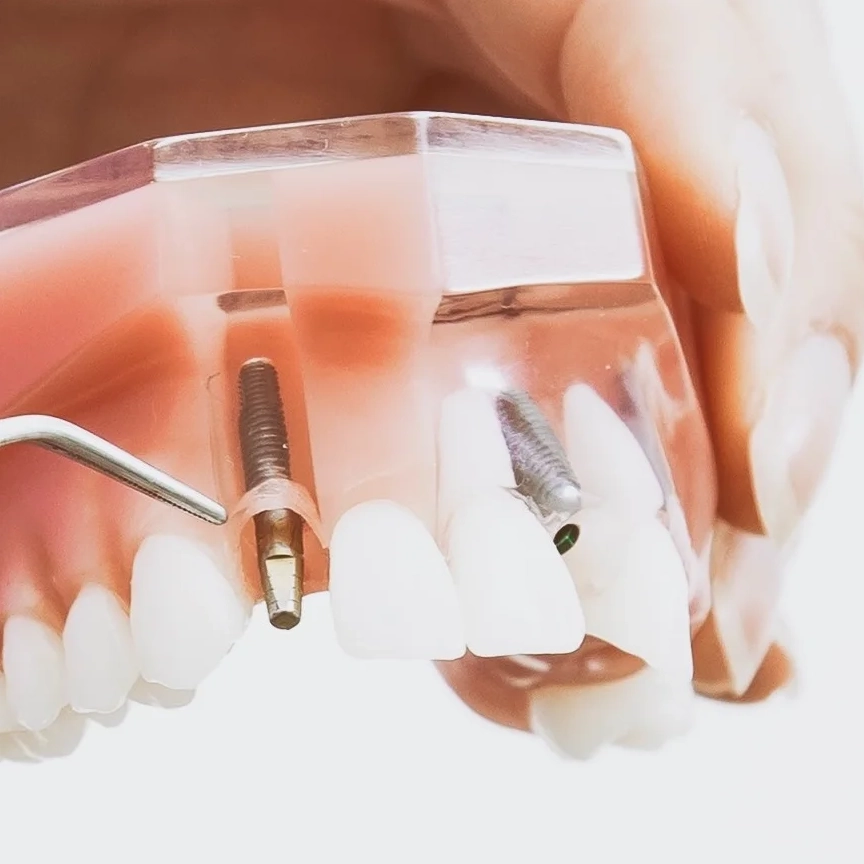
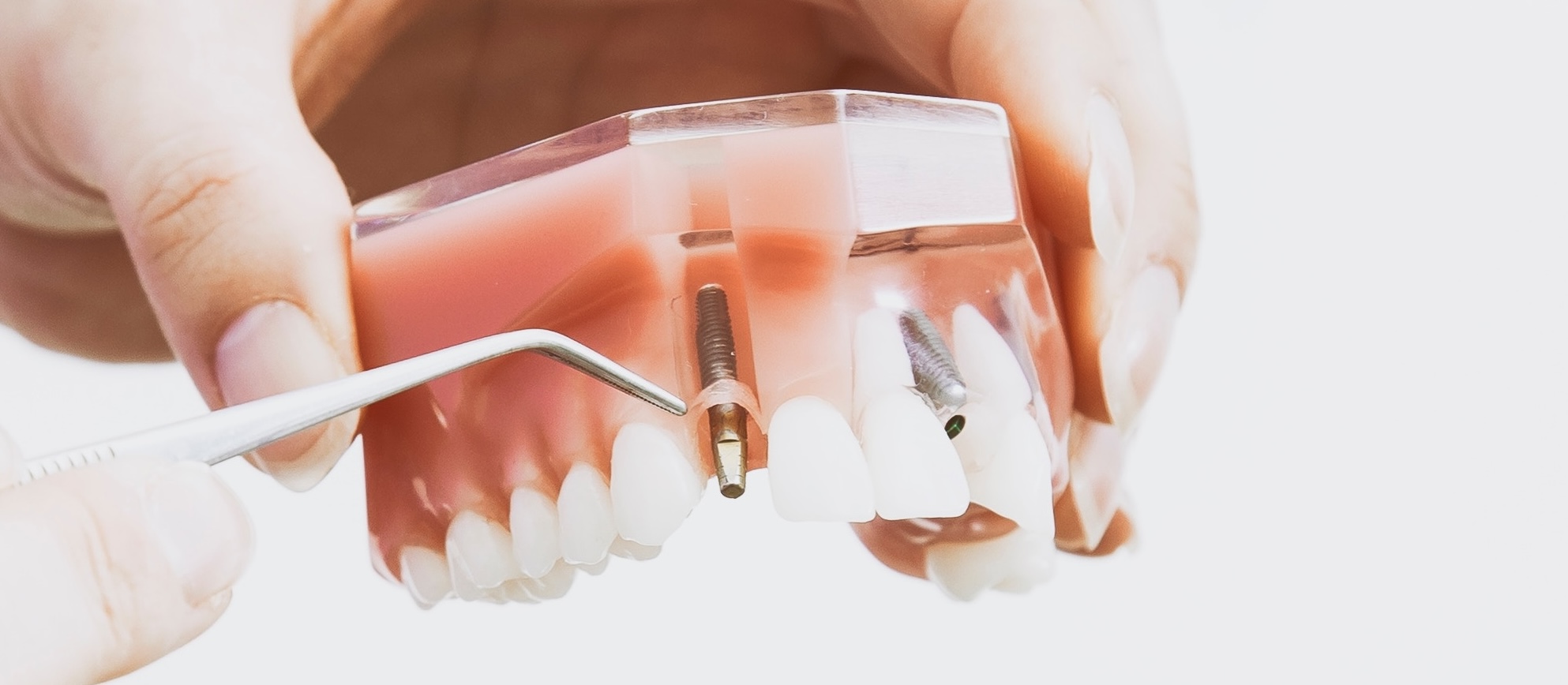
The question of dental implant longevity is central for many people. An implant permanently replaces lost teeth. But how long does it really last? The lifespan depends on several factors. Care, material, and individual conditions all play an important role. Implants are considered a reliable solution, but they require continuous attention. This article shows what affects longevity. Readers will learn what matters most. The goal is to provide a realistic picture and avoid common misconceptions. Those who are well informed can better assess their own expectations and actively influence the lifespan of the implant.
Dental Implant Longevity – How Long Do They Really Last?
The longevity of a dental implant depends on various conditions. On average, the lifespan is approximately 10 to 15 years. In many cases, however, implants can remain in the mouth significantly longer.
A central prerequisite is that the implant integrates well into the jawbone. This process is called osseointegration. It is crucial for long-term stability.
Differences arise depending on implant position. Implants in the posterior jaw area are subjected to greater stress. As a result, longevity may be reduced there. In the anterior area, chewing forces are usually lower, which can positively influence lifespan.
The material used also plays a role. Titanium implants are considered robust and biocompatible. Ceramic implants are also resistant, but more sensitive to stress during healing. The choice of material is made individually and in consultation with the treating practice.
Long-term studies show that with proper care, many implants are still functional after 20 years. Dental implant longevity is therefore not a fixed number, but a guideline. Those who attend regular checkups and maintain good oral hygiene significantly improve the prognosis.
A dental implant is a permanent solution that requires regular care and follow-up. The realistic expectation: long-lasting, but not unlimited. The details depend on individual health status and the quality of treatment.
Dental Implant Longevity: Important Influencing Factors
The longevity of a dental implant is influenced by various individual and medical conditions. These factors help determine how long the implant remains functional.
1. General Health
General health status has a direct impact on healing and long-term stability. Chronic conditions such as diabetes mellitus can impair tissue circulation. This can delay healing and increase the risk of inflammation. Osteoporosis and certain medications also negatively affect bone structure.
2. Smoking
Smoking is a clear risk factor. It reduces circulation and impairs tissue regeneration. Studies show that smokers experience implant loss more frequently. Smoke has an inflammatory effect, which reduces dental implant longevity.
3. Bone Quality and Quantity
A stable implant requires sufficient and dense jawbone. If bone volume is insufficient, bone augmentation is necessary. The quality of existing bone influences how well the implant heals and holds long-term.
4. Material and Surface Structure
The implant material affects osseointegration. Titanium is frequently used due to its biocompatibility. Modern implants feature specially treated surfaces that promote bone growth. Design—including shape and threading—also contributes to stability.
5. Treatment Quality
An experienced practitioner considers all relevant prerequisites. Planning includes evaluation of X-rays and digital measurement of the jaw. Precise placement reduces the risk of complications and promotes longevity.
6. Load and Function
Overloading from nocturnal teeth grinding or poorly fitted prostheses can damage the implant. A custom bite guard can provide relief. A well-fitted superstructure also distributes load evenly.
All mentioned factors interact. Dental implant longevity does not depend on a single aspect, but on the sum of all influences. Those who understand these can reduce risks and significantly extend lifespan.
What Endangers a Dental Implant? Overview of Risks
Despite careful planning and modern technology, complications can occur. These risks affect dental implant longevity.
A common risk factor is peri-implantitis. This is an inflammation of the tissue around the implant. It usually develops from bacterial plaque, similar to periodontitis. If left untreated, it can lead to bone loss and loosen the implant.
Early warning signs such as gum bleeding, redness, or swelling should be taken seriously. Bad breath and pain when chewing can also indicate inflammation. The earlier a checkup occurs, the better the prognosis.
Mechanical overload is also among the risks. Grinding, improper load distribution, or poorly fitted dental prostheses can permanently damage the implant. Small cracks or loosening often go unnoticed until noticeable limitations occur.
Other potential complications:
- Loosening or fracture of prosthetic components
- Material fatigue in certain superstructures
- Rejection reactions due to poor osseointegration
Most of these problems do not arise suddenly. Regular follow-up appointments help detect early signs. Especially in the first years after placement, close monitoring is advisable.
Long-term risks can be significantly reduced through consistent follow-up care. Those who watch for warning signs and act quickly protect the function and stability of the implant.
Maintaining Implant Longevity: Care, Monitoring, Follow-Up
Long-term dental implant longevity depends significantly on proper care. Implants require as much attention as natural teeth.
Daily oral hygiene is the most important measure. Implants should be thoroughly cleaned morning and evening. In addition to a soft toothbrush, interdental brushes and dental floss are suitable for cleaning between teeth. Special implant brushes can also be used to keep hard-to-reach areas clean.
Professional dental cleanings are a useful supplement to home care. The practice team removes hard and soft deposits even in difficult-to-access areas. Such cleaning is recommended at least twice a year. For increased risk, such as previous gum disease, shorter intervals may be advisable.
Regular checkups by the treating practice are crucial. Implants may appear stable but can still show early signs of inflammation or overload. Targeted examinations with X-rays or probing allow early detection of problems. Early intervention then prevents greater damage.
Diet can also have an influence. Very hard or sticky foods stress the implant. A balanced diet also supports overall oral health.
Additional recommendations for stability:
- Avoid smoking after implantation
- Use of dental protection for nocturnal grinding
- Adjustment of dental prostheses when bite changes occur
Care, monitoring, and follow-up are collectively crucial for stability. Those who observe these three elements can significantly extend dental implant longevity and avoid consequential damage.
Summary
Dental implant longevity depends not only on the implant itself, but also on consistent follow-up care. As a dental practice in Cologne, we at mundum provide long-term support to our patients after implant placement.
We conduct regular checkups to detect possible inflammation early. In our practice, we perform professional cleaning of implants and adjacent tooth surfaces. This allows us to prevent complications in a targeted manner.
We customize our recommendations for implant care individually. We consider your oral situation as well as any pre-existing conditions. Even with bone loss or existing dental prostheses, we offer suitable treatment concepts—from diagnosis to implementation.
We accompany you step by step: from planning through placement to structured follow-up care. The goal is a stable and long-term solution that is both functional and aesthetically convincing.
If you already have an implant or are planning placement, we are happy to advise you. Schedule an appointment at mundum in Cologne. Together we will ensure the longevity of your implant—through prevention, monitoring, and targeted care.
FAQ – Dental Implant Longevity
An implant can last 10 to 20 years, often longer. Lifespan depends heavily on care and follow-up.
Yes, under favorable conditions this is possible. Prerequisites are good oral hygiene and regular checkups.
Typical warning signs are redness, gum bleeding, bad breath, or a feeling of pressure. The practice should be contacted at the latest when these occur.
Smoking, inflammation, and excessive stress have negative effects. Systemic diseases also play a role.
Not necessarily. If no complications occur, it often remains permanently stable.
Typically twice a year. For pre-existing conditions or abnormal findings, shorter intervals are advisable.
Yes. It helps remove bacterial plaque and prevent inflammation. This significantly improves long-term prognosis.

Zahnarzt
Behandelnder Zahnarzt bei mundum Zahnarztpraxis in Köln
Nils Breuer studierte von 2016 bis 2021 Zahnmedizin und erhielt 2021 seine Approbation als Zahnarzt. Von 2022 bis 2024 sammelte er als Vorbereitungsassistent weitere praktische Erfahrung, bevor er 2024 als angestellter Zahnarzt zu mundum wechselte. Seine fachlichen Schwerpunkte liegen in der Allgemeinen Zahnheilkunde, der Konservierenden Zahnheilkunde sowie im digitalen Zahnersatz. Heute behandelt Nils Breuer Patient:innen der mundum Zahnarztpraxis am Zülpicher Platz in Köln.